

Self-Care That Actually Works: Building a Practice Beyond Bubble Baths
If you scroll through social media during Self-Care Awareness Month, you'll see a familiar lineup: bath bombs, face masks, scented candles, expensive skincare routines. There's nothing wrong with any of that. But if self-care has started to feel like a purchase you make rather than a practice you build, it might be time to redefine the term.
Genuine self-care, the kind that actually supports mental health, often looks much less glamorous than what gets marketed. Here's what that can look like in practice.
Back-to-School Anxiety Isn't Just for Kids: A Guide for the Whole Family
As August moves along, you can feel the shift starting, school supply displays in stores, registration emails landing in inboxes, the slow countdown to a new school year. For some families, this transition is exciting. For many others, it comes with a real undercurrent of anxiety, and not just for the kids.

Summer Rest Without the Guilt Trip
It's the middle of summer, the season that's supposed to be relaxing, and yet so many of us are terrible at actually resting. We plan vacations and then check email anyway. We get a free Saturday and fill it with errands because an empty calendar feels uncomfortable. We lie down to nap and immediately think about everything we 'should' be doing instead.
Why is rest so hard to actually receive?
The Mental Health Gap No One Talks About Enough
Every July, we observe National Minority Mental Health Awareness Month, established in 2008 to bring national attention to the unique mental health struggles faced by underrepresented communities in the United States. The month is named in honor of Bebe Moore Campbell, an author and mental health advocate who spent much of her career working to reduce stigma and improve access to care in Black and other minority communities.
So what exactly is the gap we're talking about?
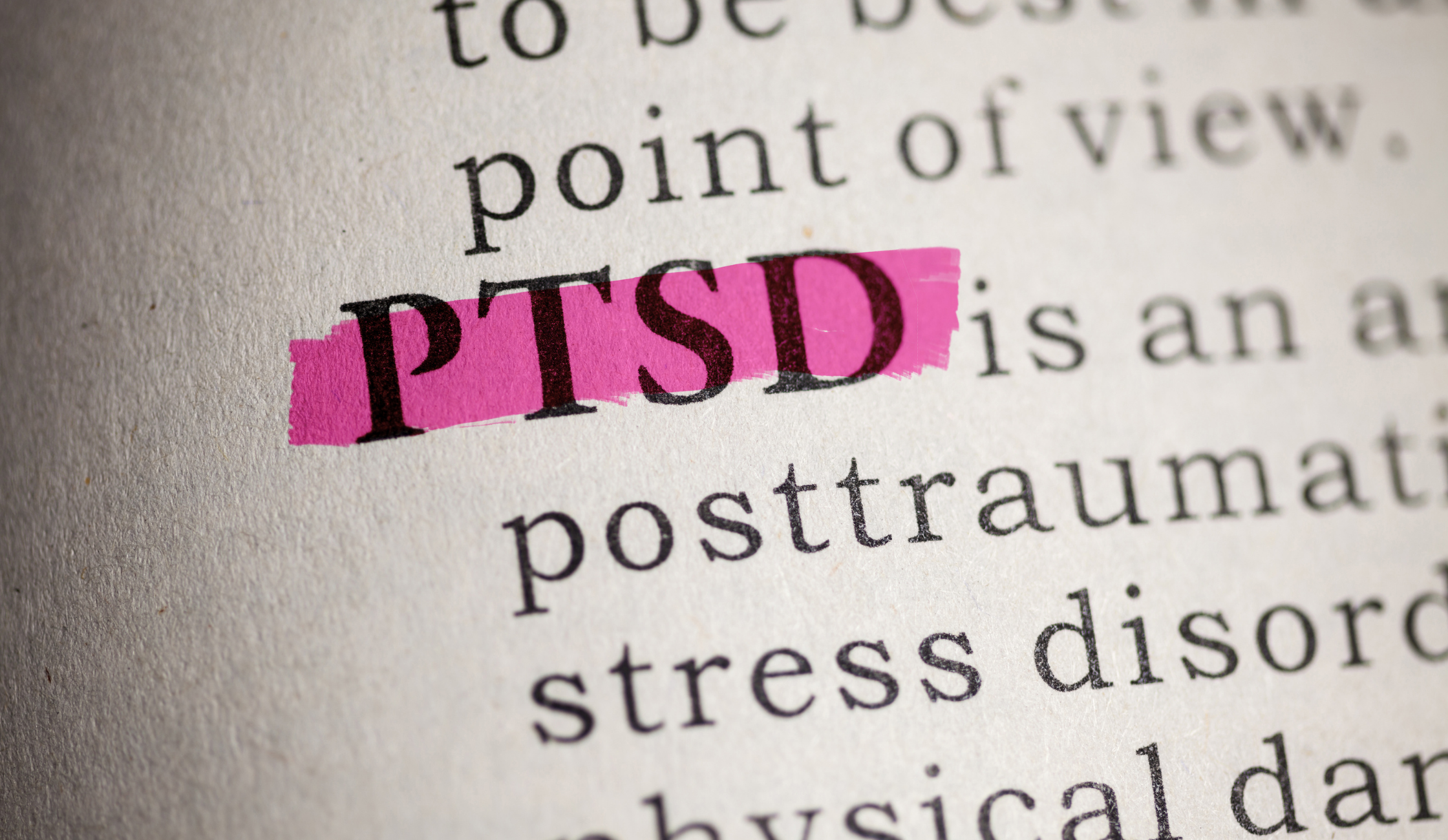
PTSD Is Not What You Think: A Plain-Language Guide to Trauma and Recovery
Let's start with what PTSD is not.
It's not only something that happens to combat veterans (though they can absolutely develop it). It's not a sign of weakness. It's not something you 'should be over by now.' It's not limited to people who experienced 'obviously' traumatic events. And it's not permanent or untreatable.
Burned Out or Just Stressed? How to Tell the Difference (and What to Do About It)
It's April - Stress Awareness Month - and somewhere in your body right now, you're probably carrying something. Maybe your shoulders are tense. Maybe you snapped at someone you love. Maybe you've been scrolling longer than you should because you're too tired to actually rest.

When We Doubt Victims: Understanding Trauma, Belief, and Our Need to Feel Safe
Recent news stories and public conversations about sexual abuse have stirred up many emotions for people — confusion, anger, disbelief, and deep sadness. These moments can reopen difficult conversations about trauma and how our communities respond when someone says they have been harmed.
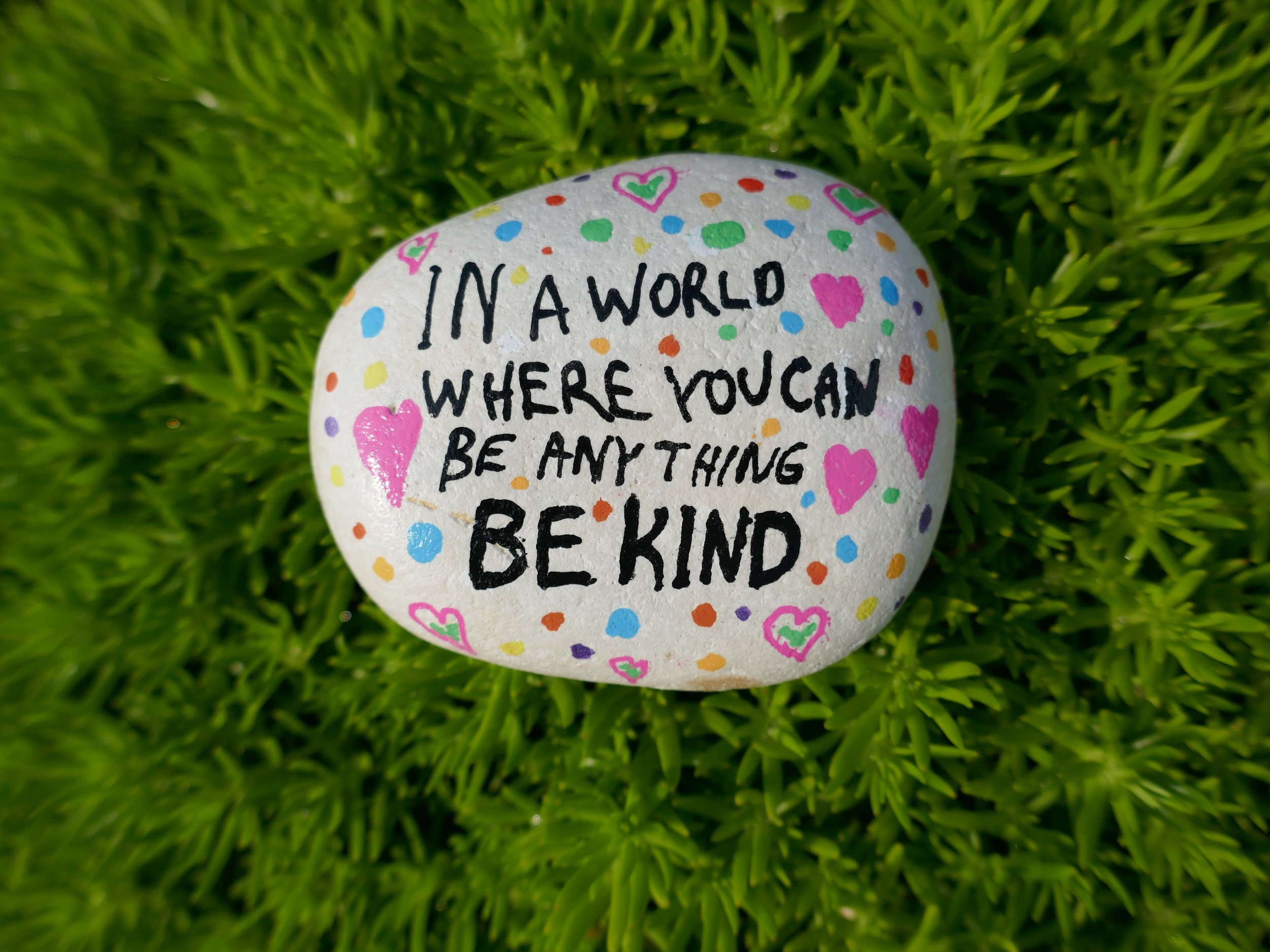
The Healing Power of Kindness: How Giving is Good for You
When you think of improving mental health, you might picture therapy (of course!), meditation, exercise, maybe journaling. These are all wonderful. But what if I told you that kindness – yes, the simple act of being kind – is also a powerful tool for your mental well-being? Let’s explore how giving to others gives back to you, psychologically speaking.

5 Ways to Beat the Winter Blues and Boost Your Mental Wellness
It’s February in Wisconsin – the holiday buzz has faded, the days are short, and let’s be honest, some of us are feeling the winter blahs. 😔 February can be a tricky month for mental health. In fact, there’s even a term “winter blues” to describe that slump many experience once the celebrations end and we’re left with cold, dark evenings. The good news? You’re not helpless against the winter blues. It’s a perfect time to focus on small steps that brighten your mood and strengthen your well-being.
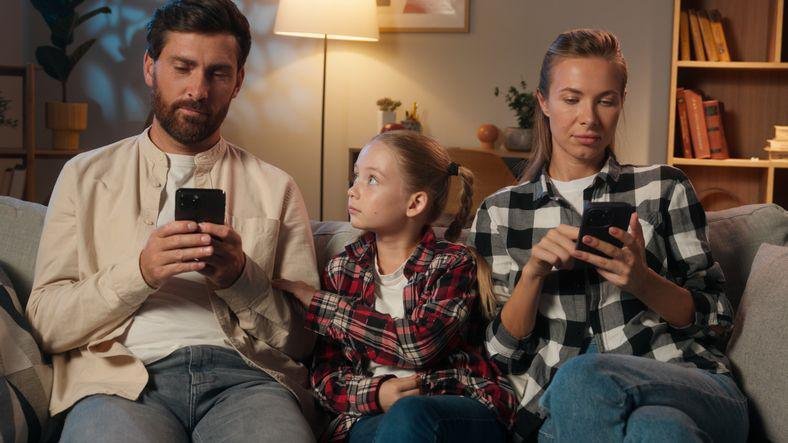
What “Phubbing” Is Teaching Us About Attention, Parenting, and Modern Work
Phones, Presence, and “Phubbing”
Today, most parents are not sitting with blank faces.
We are sitting with phones.
Checking notifications at dinner.
Scrolling while a child is talking.
Finishing an email while saying, “Just a second.”

New Year, New Boundaries: Setting Healthy Limits for a Happier 2026
The calendar has turned to 2026, and everywhere you look it’s “new year, new you” – pressure to become a brand-new person overnight. But here at A Healing Place, we’re big believers that meaningful change doesn’t come from a trendy diet or a color-coded planner. It comes from something more foundational: your boundaries.

New Year, New Mental Health Goals – Setting Intentions for 2026
As we approach the end of the year, many of us start thinking about New Year’s resolutions. I have a love-hate relationship with resolutions. On one hand, it’s a fresh start, which is exciting for a goal-setter like me. On the other hand, resolutions can sometimes become an exercise in unrealistic expectations and self-criticism (ever notice how gyms are packed in January and back to normal by March?).

Staying Mindful Through the Holiday Hustle – Tips for a Calmer Season
It’s the most wonderful time of the year… or is it? For many, December is actually one of the most stressful times. There’s family pressure, financial strain, endless to-do lists, travel stress, and let’s not forget the emotional toll the holidays can take (missing loved ones, dealing with tricky family dynamics, etc.). As a therapist – and a human – I’ve learned that one of the best antidotes to holiday stress is mindfulness. In this blog, I want to share how practicing mindfulness can help you stay grounded and actually enjoy the season more, plus some simple mindful exercises you can try amidst the chaos.
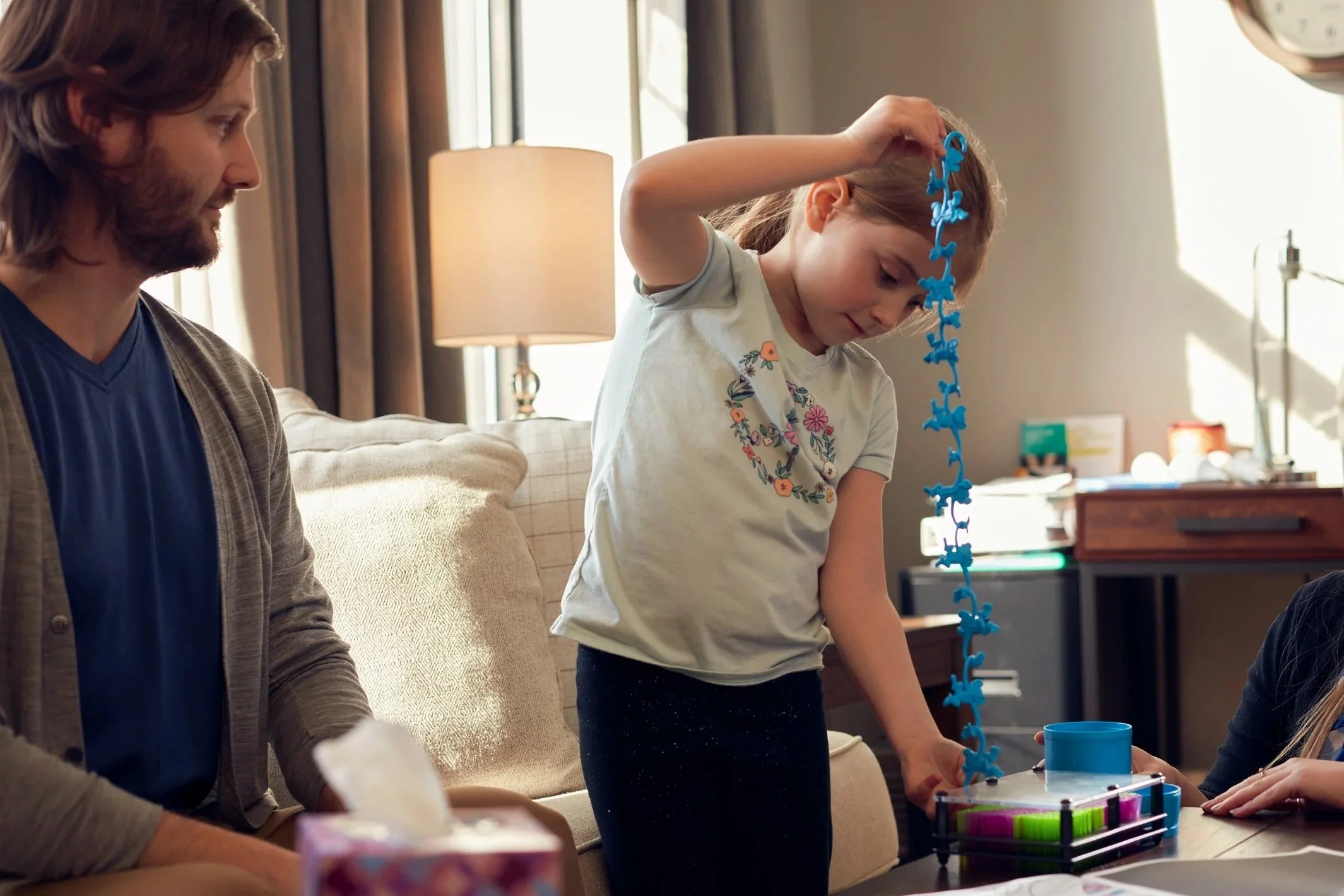
The Power of Play: How Play Therapy Helps Children Heal and Grow
For children, play is natural. It’s how they explore the world, communicate, and make sense of things. Think about it: kids aren’t miniature adults; their brains are still developing, especially the language and abstract reasoning parts. In play, children feel safe to express ideas and emotions they might not share directly.
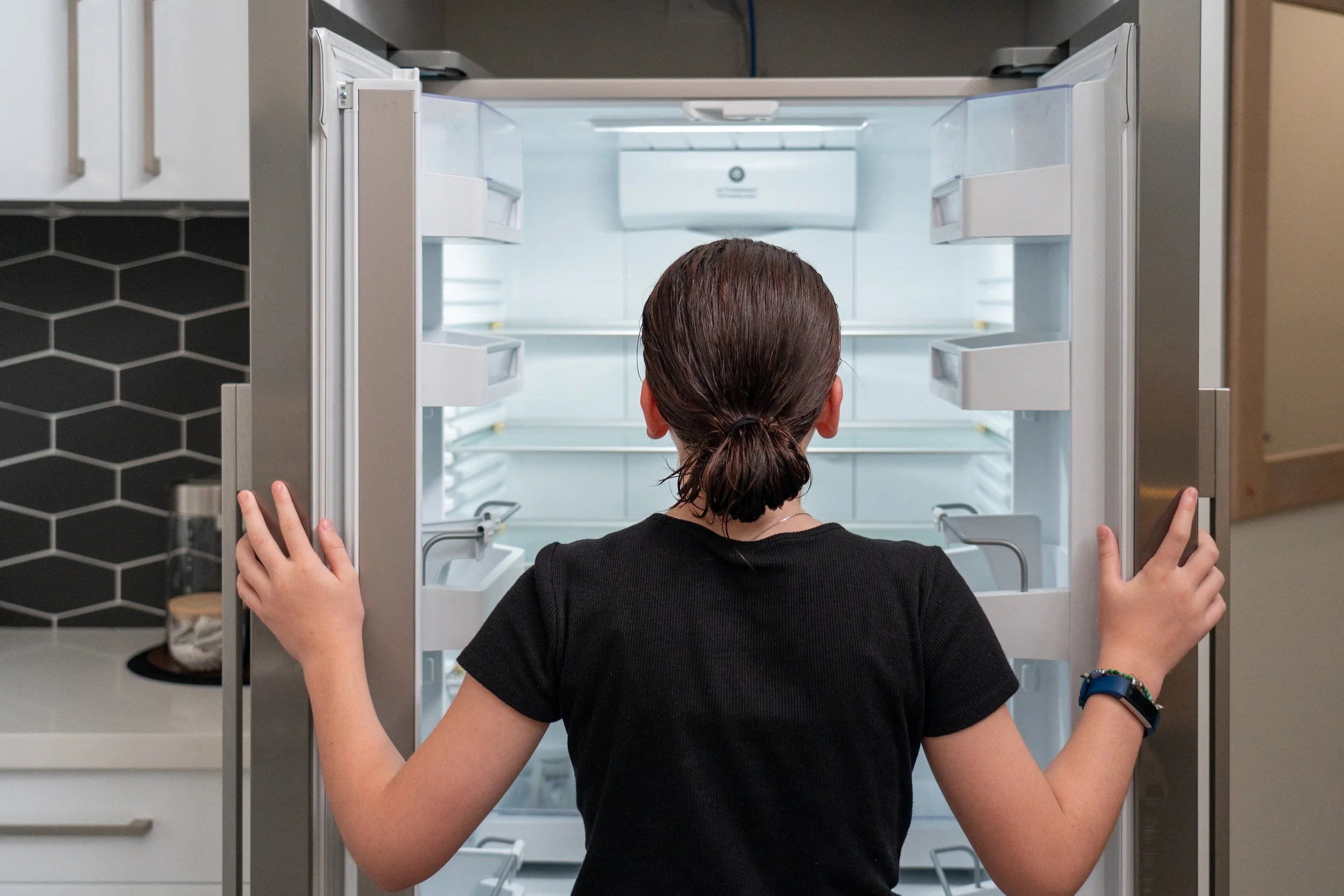
When the Fridge Is Empty: How Food Insecurity and SNAP Delays Impact Mental Health
Food insecurity doesn’t always look like starvation. It might be skipping meals to make food stretch, choosing between groceries and gas, or eating low-cost options that lack nutrition. For some families, it’s a constant balancing act between bills, caregiving, and nourishment.

Healing Childhood Trauma – An Introduction to Trauma-Focused CBT
TF-CBT is essentially a child-tailored adaptation of traditional CBT, with a big emphasis on addressing trauma memories and the emotions tied to them. It was originally developed to help kids who experienced sexual abuse, but over time it’s been adapted for all sorts of childhood trauma and grief. It’s an evidence-based model, meaning a lot of research has shown it works – which is great news in an area as sensitive as child trauma.
Cognitive Behavioral Therapy: Changing Thoughts, Changing Lives
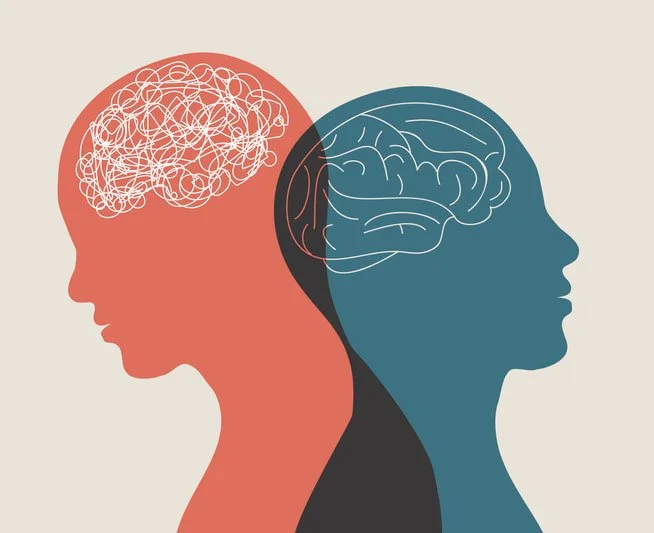
CBT is a form of therapy that zeroes in on the connection between our thoughts, feelings, and behaviors. The basic idea is simple but powerful: our thoughts greatly influence how we feel and what we do. If we can identify unhelpful thought patterns and reframe them, we can often alter our emotional responses and actions for the better. CBT is goal-oriented and practical. Instead of spending years dwelling on the past, CBT tends to focus on present challenges and finding solutions. It’s like mental coaching that teaches you skills for managing life’s hurdles.
Self-Care for the Season: Embracing Change in Fall
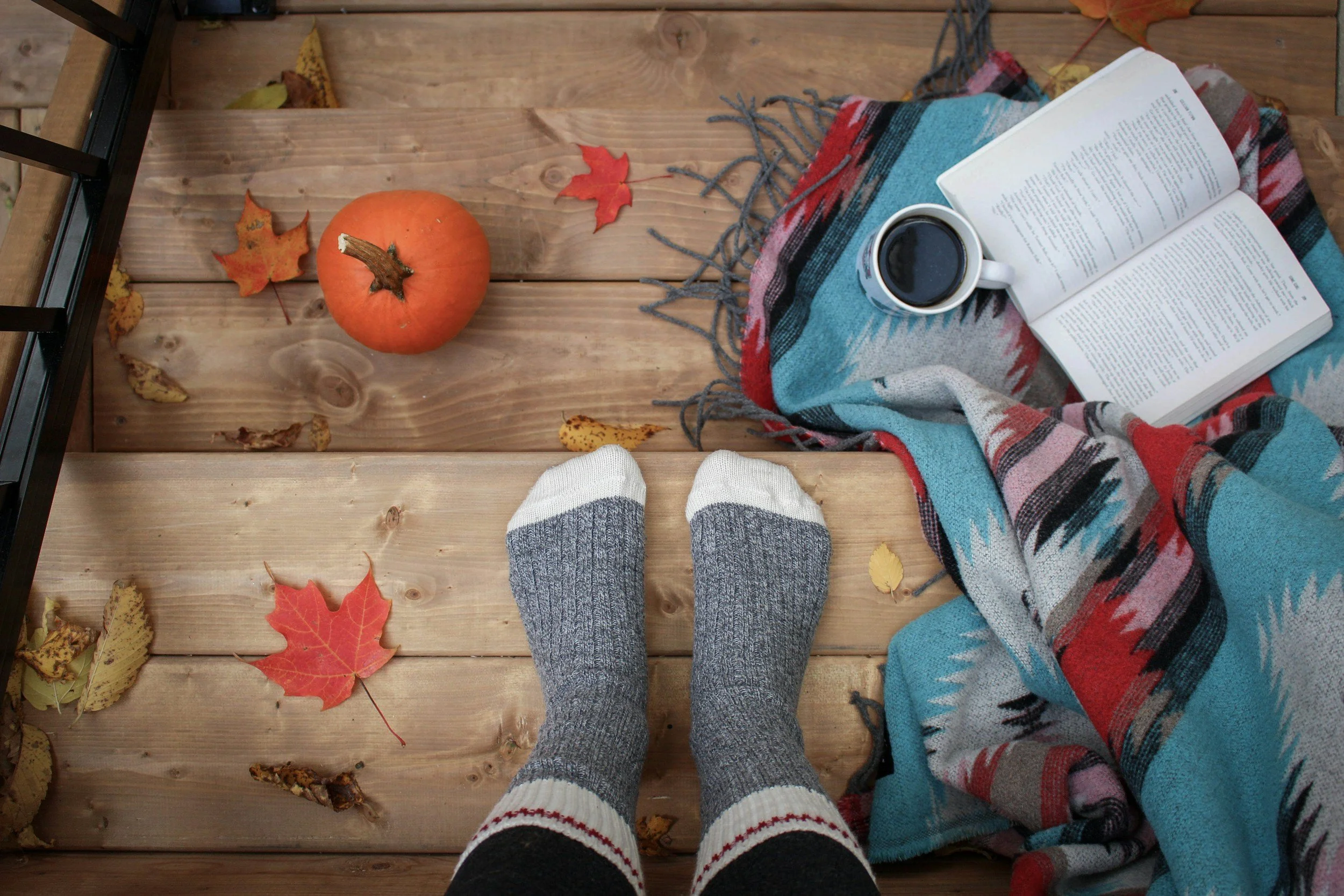
The air is getting crisper, leaves are starting to turn, and pumpkin-spice-everything is back on the menu. 🍂 Fall is upon us! With September comes not only seasonal changes but also Self-Care Awareness Month – a perfect reminder to assess our self-care routines and maybe adjust them for the fall season. In this blog, I want to talk about why change (even something as predictable as seasons changing) can affect our well-being, and suggest some fall-inspired self-care ideas to keep you balanced as the days get shorter.
Suicide Prevention 101: How to Help and What to Know
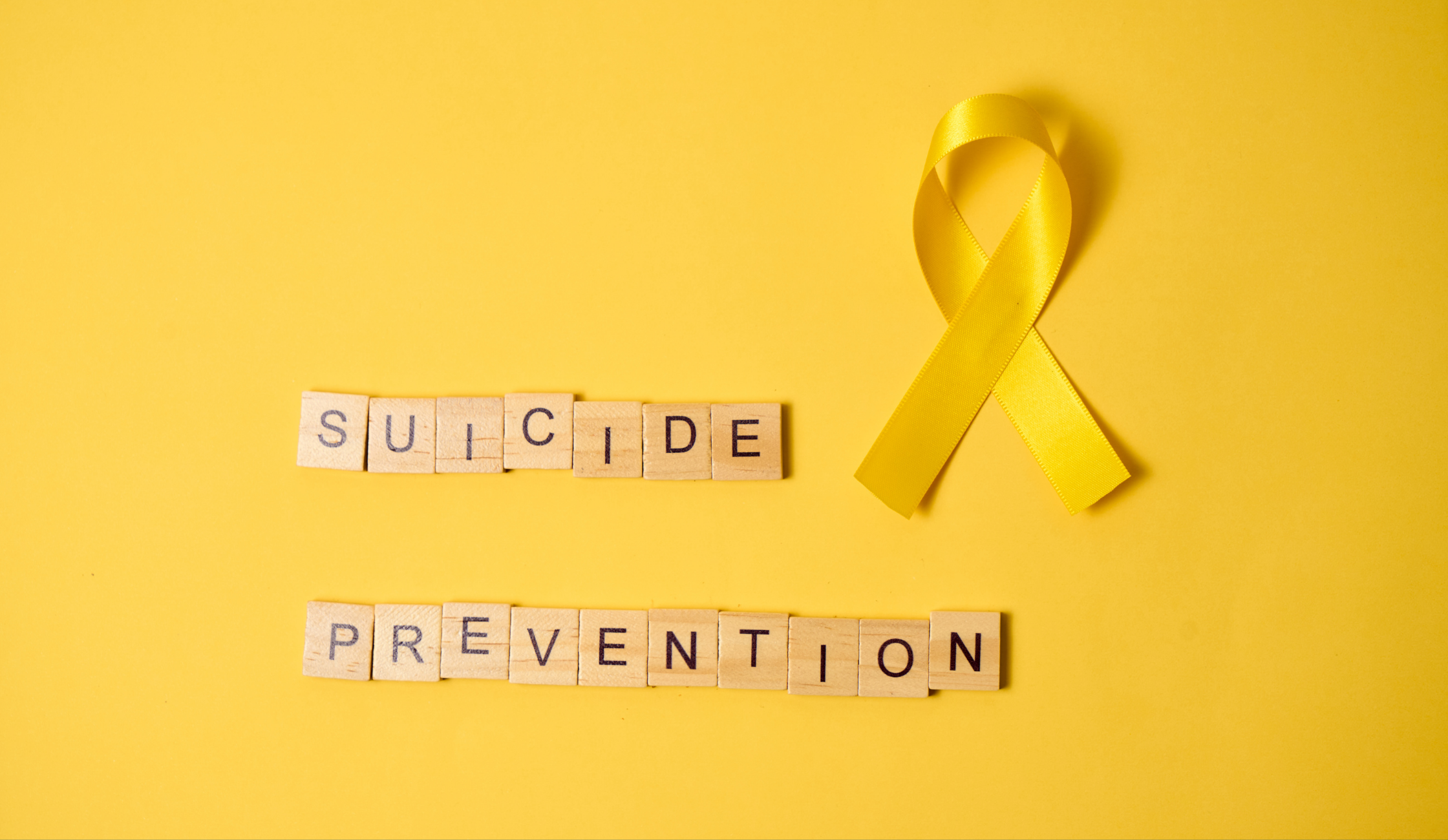
September is National Suicide Prevention Month, with World Suicide Prevention Day on September 10th. It’s a heavy topic, one many people shy away from – but it’s also a reality that we need to talk about openly. As a therapist, I have worked with individuals who felt suicidal and with families affected by suicide loss. In this blog, I want to provide a basic “101” on suicide prevention: common warning signs, how to help someone who might be at risk, and resources that can save lives. My hope is that you’ll come away feeling more informed and empowered to act if you ever find yourself in the position to help.
Back-to-School Mental Health: Tips for Parents and Kids
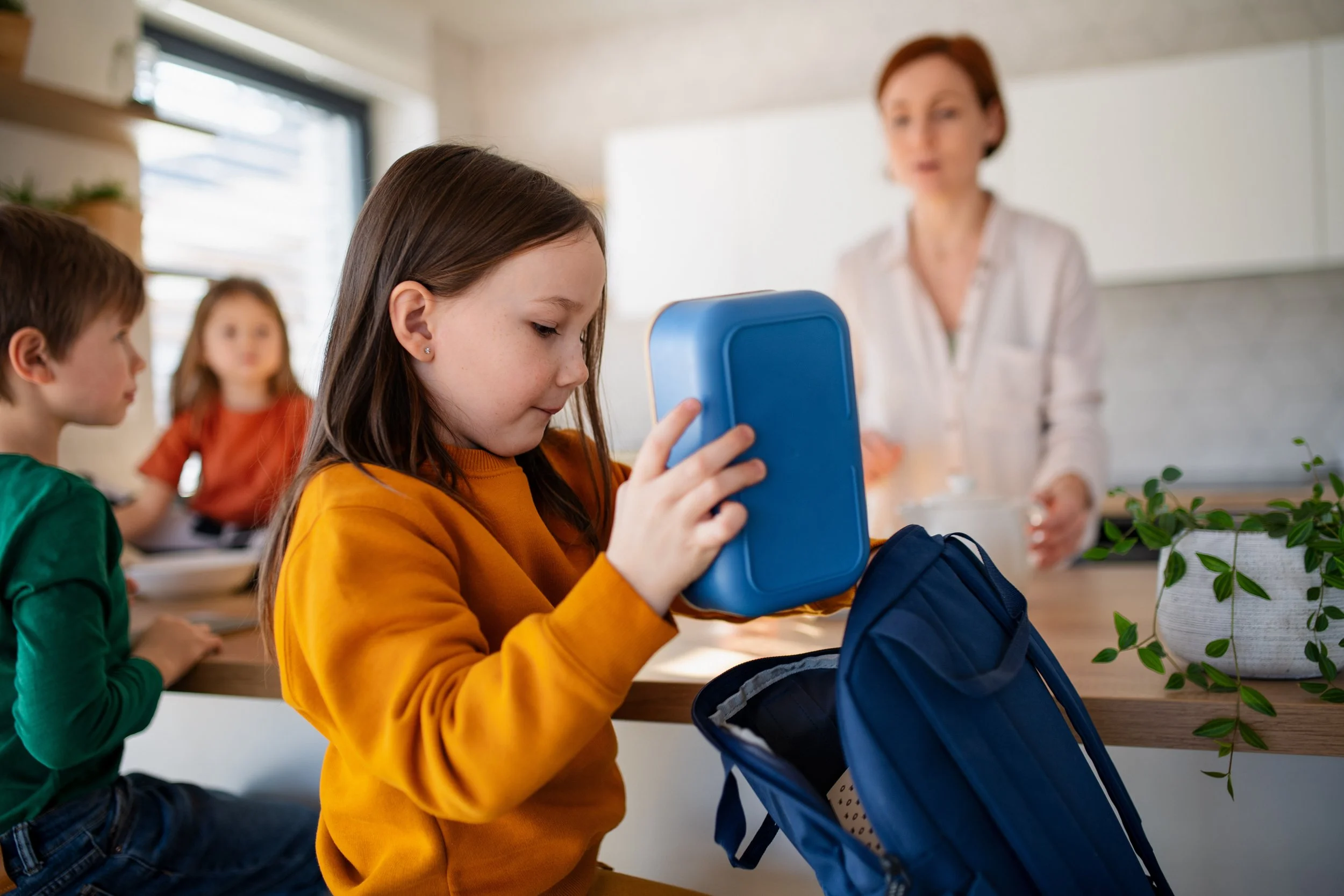
As summer winds down, many families are preparing for the back-to-school transition. New classes, new routines, perhaps new schools – it’s a lot of change at once. As a therapist (and as a parent myself, if applicable), I know this time of year can bring mixed emotions. Kids might feel excited to see friends again, but also anxious about homework or fitting in. Parents might feel relieved for routine but also stressed about managing schedules or how their child will cope. This blog is all about addressing the mental health side of heading back to school, with practical tips for both parents and kids to make the transition smoother.